V-Trims Design

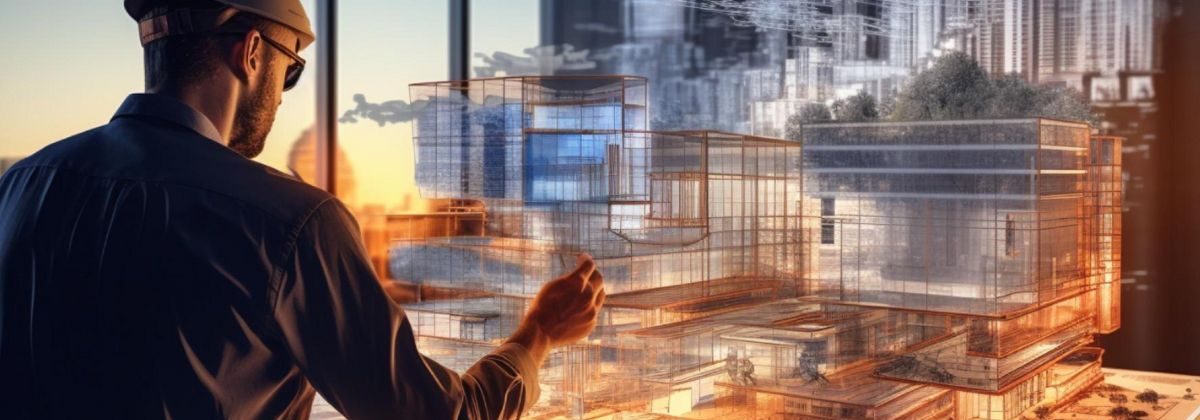
How AI in Architectural Design is Shaping the Future

ai in architectural design

Artificial Intelligence (AI) is transforming architectural design at an unprecedented pace. By 2026, the AI market in construction and architecture is projected to reach $4.51 billion globally, with a compound annual growth rate (CAGR) of 35.2%. From smart lighting solutions to fully automated spaces, AI is redefining how buildings function and how architects envision the future.

With AI’s integration into architectural design, professionals can now create highly efficient, sustainable, and aesthetically pleasing structures that were once beyond imagination. The role of AI in architectural design is rapidly evolving, helping architects push creative boundaries while improving functionality and energy efficiency. 

The Role of AI in Modern Architecture

As AI continues to evolve, its influence in architecture extends far beyond design automation. AI-driven solutions are now enhancing user experience, improving energy efficiency, and revolutionizing the way we interact with buildings. By integrating intelligent systems, architects can create structures that are not only aesthetically pleasing but also highly functional and sustainable. Whether it’s optimizing energy consumption or designing dynamic, adaptive spaces, AI is paving the way for a smarter architectural landscape.

1. AI-Driven Smart Lighting

Lighting plays a crucial role in architectural design, affecting not just aesthetics but also energy efficiency and occupant well-being. AI-powered smart lighting systems are revolutionizing the way spaces are lit.
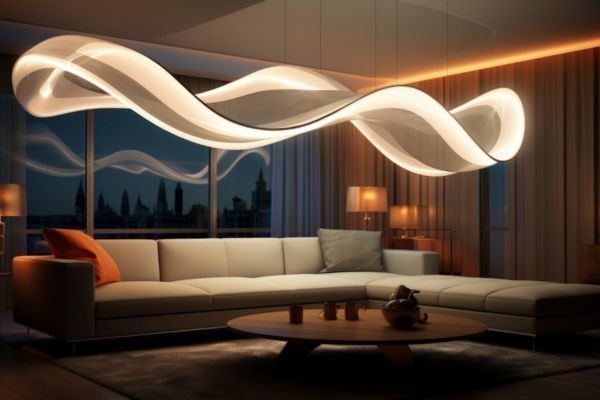
 A modern living room with AI in architectural design, featuring a futuristic wave-shaped LED chandelier and ambient lighting.

How AI Enhances Smart Lighting:

  • Adaptive brightness: AI adjusts light intensity based on occupancy and natural daylight availability.
  • Energy efficiency: AI algorithms predict usage patterns to optimize energy consumption, reducing costs by up to 30%.
  • Human-centric lighting: AI tailors lighting conditions to support circadian rhythms, enhancing productivity and well-being.
  • IoT integration: AI-powered lighting works seamlessly with smart home systems, offering voice and app-based controls.

One prime example is AI-driven daylight simulation software, which allows architects to design buildings that maximize natural light while minimizing glare and heat gain.

2. Automated Spaces

AI is making buildings more interactive and responsive, leading to the rise of automated spaces that adapt to users’ needs. Smart homes, commercial buildings, and public infrastructure now leverage AI for a seamless experience.

AI’s Role in Automated Spaces:

  • Climate control: AI systems regulate temperature and ventilation to optimize energy usage and comfort.
  • Security automation: AI-driven surveillance systems use facial recognition and predictive analytics for enhanced security.
  • Smart furniture: AI-powered furniture adjusts its shape and functionality based on user preferences.
  • Occupancy sensors: AI detects movement patterns to control lighting, air conditioning, and even workspace arrangements.

For example, AI-powered HVAC systems can reduce energy usage by 20% to 40% while maintaining optimal indoor climate conditions. These innovations not only improve convenience but also contribute to sustainability.

3. AI in Generative Design

Generative design is one of AI’s most revolutionary applications in architecture. It enables architects to input design parameters, and AI generates multiple optimized solutions that consider factors like material efficiency, structural integrity, and aesthetics.

Benefits of AI-Driven Generative Design:

  • Faster iterations: AI speeds up the design process by generating thousands of design variations within minutes.
  • Optimized resource usage: AI reduces material waste and enhances sustainability.
  • Structural innovation: AI discovers unconventional yet highly efficient design solutions.
  • Cost reduction: AI minimizes errors in planning, reducing construction costs by up to 15%.

Major architectural firms like Zaha Hadid Architects and BIG (Bjarke Ingels Group) are already leveraging AI for futuristic, data-driven design solutions that push the boundaries of traditional architecture.

4. AI-Powered Sustainable Architecture

Sustainability is a key priority in modern architecture, and AI is playing a crucial role in designing eco-friendly buildings. By leveraging AI-driven simulations, architects can predict energy efficiency levels, optimize natural ventilation, and select environmentally friendly materials. AI also enables real-time monitoring of a building’s carbon footprint, helping reduce waste and improve energy consumption.
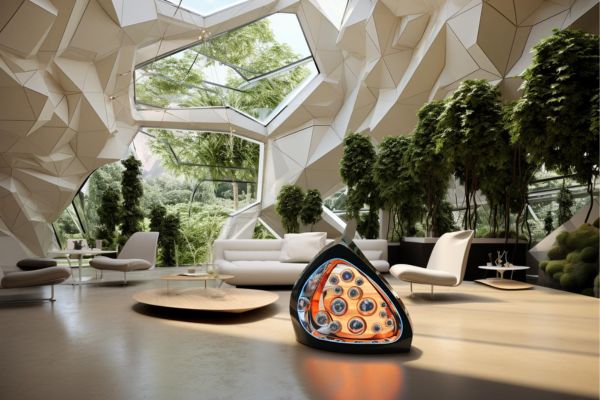
ai in sustainable architecture

How AI Supports Sustainable Design:

  • Energy modeling: AI predicts energy consumption and optimizes HVAC systems accordingly.
  • Eco-material selection: AI recommends sustainable materials based on environmental impact and durability.
  • Water management: AI-driven systems monitor and optimize water usage in smart buildings.
  • Carbon footprint reduction: AI helps architects design buildings with minimal environmental impact.

For instance, AI tools like Autodesk’s Insight allow architects to analyze energy performance and suggest improvements during the early design stages, leading to more energy-efficient structures.

5. AI in Construction

Beyond design, AI is revolutionizing the construction process itself. AI-powered robots, drones, and predictive analytics ensure faster and more precise construction.

AI’s Impact on Construction:

  • Autonomous construction robots: AI-driven robots assist in tasks like bricklaying, welding, and painting, reducing human labor costs.
  • Predictive maintenance: AI forecasts equipment malfunctions, reducing downtime and repair costs.
  • Risk assessment: AI analyzes safety risks on-site, preventing potential hazards.
  • Supply chain optimization: AI streamlines material procurement and logistics, minimizing delays and costs.

By integrating AI into construction, projects are completed faster, safer, and with greater accuracy.

6. AI and Urban Planning

AI is not just transforming individual buildings; it is reshaping entire cities. AI-driven urban planning helps create smart cities that are efficient, sustainable, and responsive to residents’ needs.

ai in urban planning

Key Applications:

  • Traffic optimization: AI analyzes traffic patterns and suggests solutions to reduce congestion.
  • Smart waste management: AI systems optimize waste collection schedules, reducing pollution.
  • Disaster preparedness: AI predicts natural disasters and helps in emergency planning.
  • Public space optimization: AI designs efficient green spaces, pedestrian pathways, and urban layouts.

Cities like Singapore and Tokyo are leveraging AI for intelligent urban planning, creating futuristic and highly livable environments.

The Future of AI in Architectural Design

The integration of AI in architectural design is no longer a futuristic concept—it’s happening now. From AI-powered smart lighting and automated spaces to generative design and sustainable architecture, AI is revolutionizing every aspect of the built environment.

What’s Next for AI in Architecture?

  • AI-powered 3D printing for faster, eco-friendly construction.
  • Self-sustaining AI-driven buildings that adapt to climate conditions.
  • AI-designed underground and floating cities to tackle overpopulation.

As AI continues to evolve, architects and designers must embrace these technologies to create smarter, more sustainable, and aesthetically superior structures.

Unlock the Future with V-Trims Design

If you’re looking to integrate cutting-edge AI technology into your architectural projects, V-Trims Design is here to help. Our expertise in AI-driven architecture ensures innovative, sustainable, and highly efficient designs tailored to your needs. Contact the best AI-driven architectural firm in Lucknow today and bring the future of architecture to your doorstep!
PREVIOUS NEXT

Leave A Comment

Related posts

Browse All

Architecture Planning Consultant: Your Guide to Smart & Modern Building Design

In today’s fast-growing urban landscape, smart planning is the foundation of every successful construction project. Whether you are building a dream home, a commercial space, or a luxury villa, hiring an architecture planning consultant ensures your vision is transformed into a practical and aesthetically pleasing reality. At V-Trims Design, we…

Best Architecture Firm Near Me in Lucknow – Your Guide to Smart Construction

Finding the right architecture firm near me in Lucknow can be the most important step in turning your dream home or commercial project into reality. Whether you are planning a modern villa, a stylish apartment, or a commercial space, choosing an experienced firm ensures both functionality and aesthetic excellence. In…

Modern Architecture Design in Lucknow: Transforming Urban Living with Smart & Stylish Spaces

Lucknow, a city known for its rich heritage and Nawabi culture, is rapidly embracing modernity in architecture. The demand for modern architecture design in Lucknow has significantly increased as homeowners and developers seek innovative, functional, and aesthetically pleasing spaces. Today, architecture is not just about constructing buildings—it’s about designing lifestyles.…

Luxury Bungalow Design in Lucknow – Creating Elegant Living Spaces with Modern Architecture

In recent years, the demand for luxury bungalow design in Lucknow has grown significantly as homeowners seek spacious, elegant, and personalized living environments. A luxury bungalow is more than just a home—it is a symbol of comfort, prestige, and a modern lifestyle. With the rapid development of premium residential areas…

The Mind in Architecture: How Spaces Shape Human Emotions and Behavior

Architecture is not just about constructing buildings; it is about shaping experiences. The mind in architecture refers to the psychological and emotional connection between human beings and the spaces they live in. Every room, corridor, window, and piece of furniture influences how we think, feel, and behave. From ancient temples…

Creativity Architecture: Designing Beyond Boundaries

Architecture is no longer just about constructing walls and roofs. In today’s modern world, creativity architecture defines how spaces feel, function, and inspire. It merges imagination with technical precision to create environments that reflect personality, culture, and innovation. At V-Trims Design, we believe creative architecture is the backbone of impactful…
Browse All

Floret Town

Facebook

Office Location

V-Trims Design is an architectural design and construction company in Lucknow founded by young entrepreneurs with a love of design and the belief that every home should be designed to impress and that every person should have a designer lifestyle.

Contact Info
Office Address
UP