Aastik Verma
8 months ago


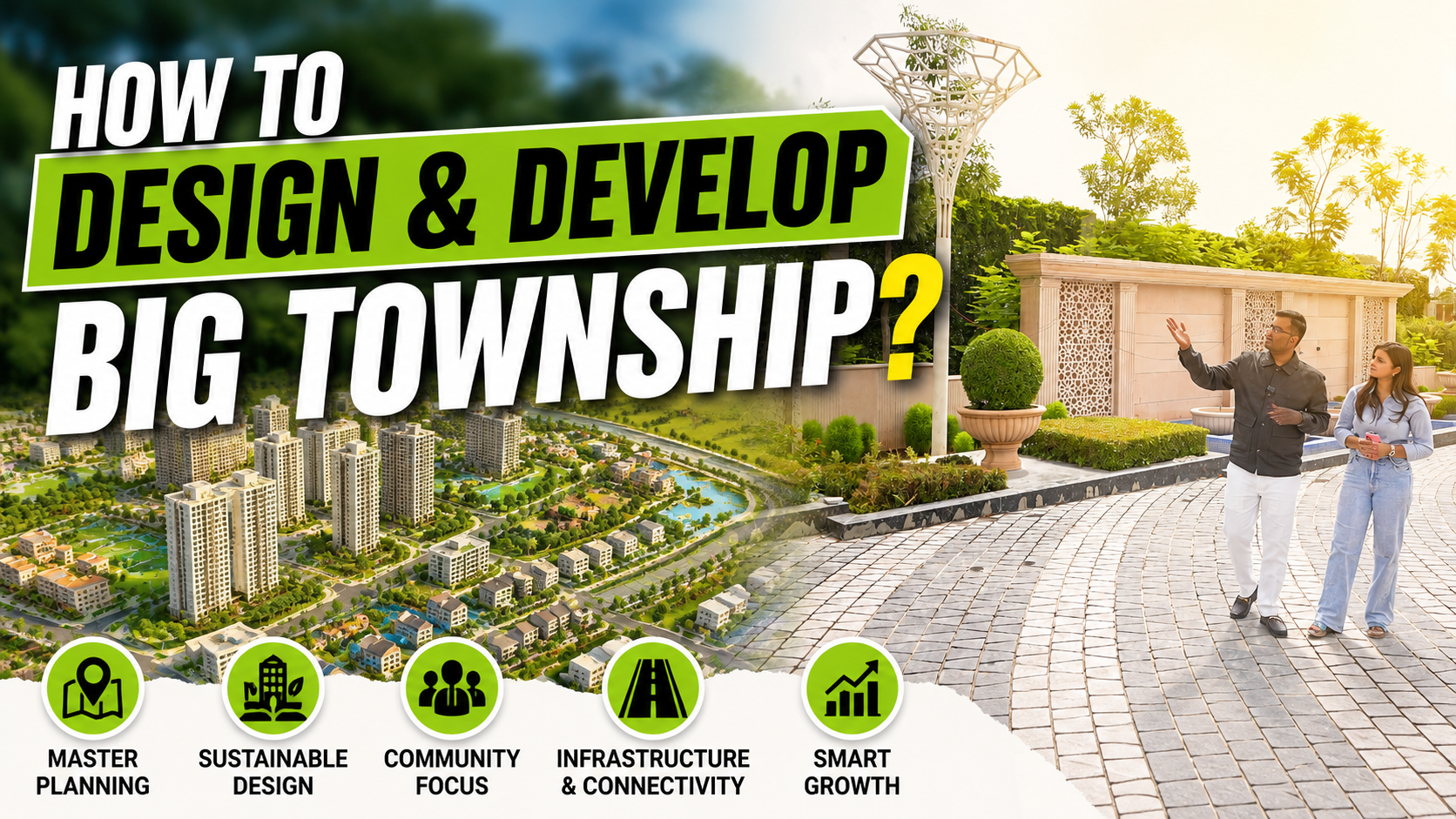
The demand for integrated townships is rapidly increasing across India as cities continue to expand and urban populations grow. Modern homebuyers are no longer looking for just residential plots or apartments; they seek complete communities that offer comfort, connectivity, security, recreation, and sustainability. This shift has made township development one of the most important sectors in real estate and urban planning.
Designing and developing a big township is a complex process that requires strategic planning, architectural expertise, engineering excellence, and long-term vision. From land acquisition and master planning to infrastructure development and community facilities, every stage plays a crucial role in creating a successful township.
At V-Trims Design, we specialize in township planning, architectural design, landscape development, and infrastructure solutions that help transform large land parcels into thriving urban communities.
A township is a large-scale planned development that combines residential, commercial, recreational, institutional, and infrastructure facilities within a self-sustained ecosystem. The goal is to create a balanced environment where residents can live, work, shop, study, and enjoy leisure activities without depending heavily on external facilities.
Modern townships often include:
Successful township development focuses on creating a complete lifestyle experience rather than simply constructing buildings.
The foundation of every successful township begins with selecting the right land parcel.
Factors to evaluate include:
The township should have excellent connectivity to highways, airports, railway stations, and major city centers.
Developers should analyze future infrastructure projects, industrial growth, and government development plans around the site.
Understanding natural terrain, drainage patterns, vegetation, and ecological sensitivity helps in sustainable planning.
Proper title verification, zoning compliance, and regulatory approvals are essential before development begins.
A comprehensive site analysis helps minimize risks and maximize long-term value.
Master planning serves as the blueprint for the entire township.
The master plan defines:
An effective master plan ensures balanced growth and efficient land utilization.
The planning process should focus on walkability, accessibility, safety, and future expansion possibilities.
Infrastructure forms the backbone of every township.
Key infrastructure components include:
Wide internal roads, pedestrian pathways, cycling tracks, and traffic management systems improve mobility.
Proper water sourcing, storage tanks, treatment plants, and distribution networks are essential.
Modern sewage treatment plants ensure environmentally responsible wastewater management.
Reliable power distribution systems with backup power solutions increase resident satisfaction.
Efficient drainage systems prevent flooding and waterlogging during monsoon seasons.
Infrastructure planning must be completed before large-scale construction begins.
Residential zones should cater to diverse income groups and lifestyle preferences.
A balanced township may include:
Proper zoning creates a diverse and vibrant community.
Factors such as sunlight, ventilation, privacy, and open views should influence residential layouts.
Modern townships require commercial zones that support everyday needs.
These may include:
Mixed-use development reduces travel requirements and improves convenience for residents.
Green infrastructure is a critical element of township planning.
Key landscape features include:
Well-designed green spaces improve air quality, enhance aesthetics, and promote healthier lifestyles.
Landscape planning should begin during the master planning phase rather than being treated as an afterthought.
Today’s homebuyers increasingly prefer smart communities.
Popular smart township features include:
Technology integration enhances convenience, efficiency, and safety.
Sustainable township development reduces environmental impact while lowering long-term operating costs.
Important sustainability initiatives include:
Capturing rainwater helps recharge groundwater and reduce water dependency.
Solar power systems reduce energy consumption and operating expenses.
Segregation, recycling, and composting systems promote environmental sustainability.
Energy-efficient building materials and designs improve overall performance.
Sustainability should be integrated into every stage of development.
A successful township creates a sense of community.
Essential amenities include:
These facilities improve resident satisfaction and increase property value.
Large township projects are usually developed in phases.
Benefits of phased development include:
Each phase should function independently while contributing to the overall township vision.
Developers often face several challenges during township development:
Working with experienced planning and design consultants helps overcome these challenges effectively.
As urbanization accelerates, integrated township projects will continue to play a major role in shaping India’s future cities.
Future townships will emphasize:
The focus will shift from isolated housing projects to complete lifestyle ecosystems that support long-term urban growth.
Designing and developing a big township requires a combination of strategic planning, innovative design, infrastructure excellence, and sustainable development practices. From site selection and master planning to smart technologies and community amenities, every aspect contributes to creating a successful urban environment.
A well-planned township not only delivers strong returns for developers but also enhances the quality of life for residents. By adopting a comprehensive and future-focused approach, developers can create thriving communities that remain relevant and valuable for generations.
At V-Trims Design, our team specializes in township master planning, architectural design, landscape planning, infrastructure design, and sustainable urban development solutions. We help transform visionary ideas into successful township projects across India.
📍 Lower Ground, Vijay Tower, Vijaipur, Vibhuti Khand, Gomti Nagar, Lucknow, Uttar Pradesh 226010
📞 Call Us: +91-7310333143
📧 Email: Admin@vtrimsdesign.com
🌐 Website: V-Trims Design
Township development is the planning and construction of a self-contained community that includes residential, commercial, recreational, and infrastructure facilities.
Large townships generally require anywhere between 25 acres to several hundred acres, depending on the project scope and density.
Master planning is the most important factor because it determines land use, infrastructure, transportation, and future growth.
Green spaces improve environmental quality, enhance aesthetics, and promote healthier lifestyles.
Smart townships use technology such as smart security, automated lighting, digital access control, and smart utility management systems.
Depending on project size, township development can take between 3 to 15 years and is often completed in multiple phases.