Aastik Verma
8 months ago




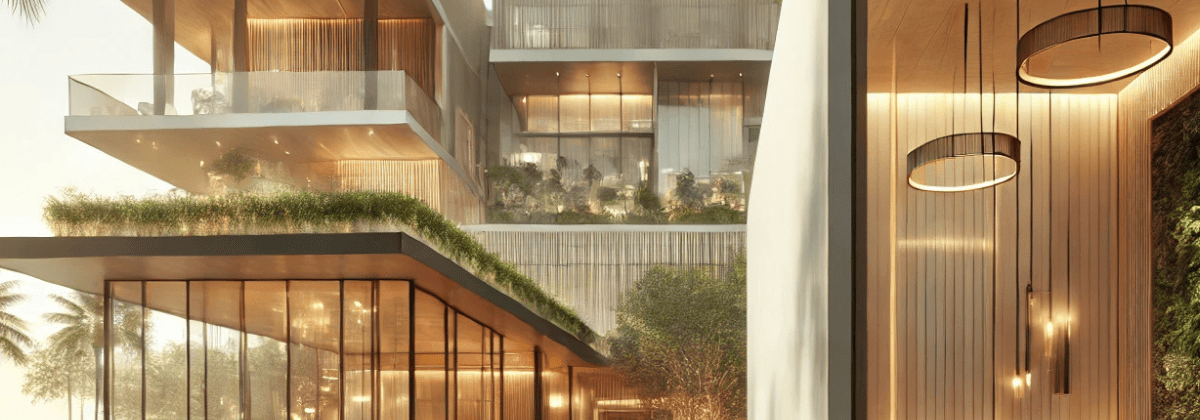
Hospitality architecture transcends conventional building design; it orchestrates sensory and spatial experiences that resonate with guests on a profound psychological level. Whether designing a metropolitan boutique hotel, a sprawling luxury resort, or a Michelin-starred restaurant, architects must integrate aesthetic appeal, operational efficiency, and emotional engagement to create enduring and memorable spaces. But what methodologies and theoretical frameworks underpin these sophisticated design processes?
Hospitality architecture is a confluence of environmental psychology, human-centric design, and advanced materiality. The discipline necessitates an intricate balance between form and function, where spatial arrangements are not only visually compelling but also intuitively navigable and emotionally evocative.
From an experiential perspective, architectural elements such as lighting, acoustic modulation, and spatial proportions shape user perception and influence behavior. For example, a hotel’s lobby—often the guest’s first physical encounter with the brand—must be an emblem of the establishment’s identity, seamlessly blending comfort, elegance, and efficiency. Similarly, the interplay of transparency and enclosure in resort architecture dictates the degree of engagement with the surrounding environment, reinforcing the concept of escapism and sanctuary.
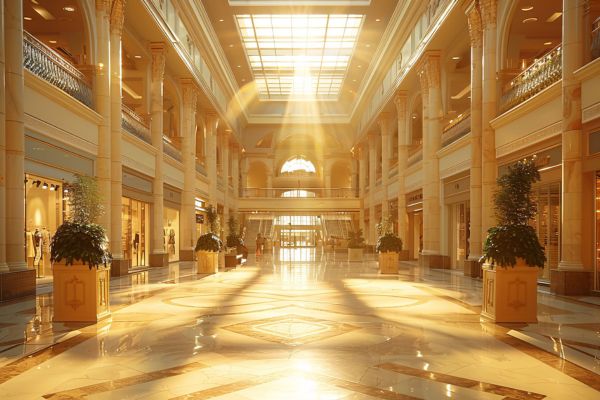
The typology of hotels is diverse, encompassing everything from minimalist urban accommodations to expansive, multi-functional luxury resorts. Regardless of scale, successful hotel architecture prioritizes both guest experience and operational fluidity.
A hotel lobby functions as a transitional space, bridging the external environment with the curated interior realm. The spatial syntax of this area must not only facilitate wayfinding but also create a strong emotional imprint through textural diversity, sculptural elements, and dynamic lighting schemes. High atriums, reflective surfaces, and warm-toned ambient lighting can evoke grandeur, while biophilic integrations such as vertical gardens promote relaxation and psychological well-being.
Guest rooms are microcosms of the broader hospitality experience, demanding meticulous attention to ergonomics, technological integration, and spatial sequencing. The progression of smart room technologies, from IoT-enabled climate control to AI-powered room customization, is redefining personalized hospitality. Additionally, sustainable design principles, such as modular furniture and low-VOC materials, are influencing contemporary hotel interiors, aligning with the industry’s shift towards environmental responsibility.
Modern hospitality design extends beyond the private domain into communal areas where interaction and relaxation coalesce. Rooftop bars, wellness spas, and immersive lounges must be designed to facilitate both individual retreat and social engagement. The spatial programming of these areas involves strategic zoning to accommodate varying intensities of activity while maintaining an overarching thematic continuity.

Resorts epitomize the synergy between architecture and landscape, necessitating a design philosophy that enhances the natural environment rather than competes with it.
Resort architecture often employs fluid spatial transitions, dissolving the demarcation between interior and exterior realms. Expansive glazing, retractable partitions, and open-air courtyards allow for an uninterrupted visual and physical connection to the surroundings. By incorporating local materials and indigenous design motifs, architects reinforce a sense of place, fostering cultural and ecological authenticity.
The contemporary paradigm of hospitality architecture demands a shift from sustainability to regenerative design—an approach that seeks not only to minimize environmental impact but also to contribute positively to ecosystems. Passive cooling strategies, photovoltaic facades, and permaculture-driven landscape design exemplify the progressive ethos of next-generation resort architecture.
Luxury resorts increasingly prioritize hyper-personalized experiences, where architectural design serves as a medium for exclusivity. Villas with private infinity pools, bespoke wellness pavilions, and AI-assisted concierge services underscore the movement towards individualized, immersive hospitality. These spaces are crafted with an acute awareness of psychological refuge, ensuring a profound sense of escapism and indulgence.
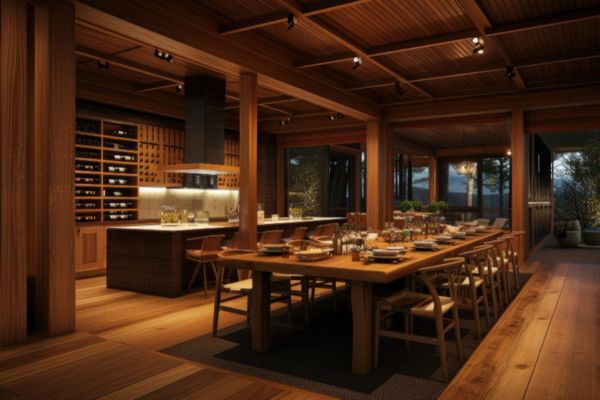
Restaurants are theatrical environments, where design elements must augment the culinary narrative while optimizing functionality.
A well-orchestrated restaurant layout must accommodate seamless circulation patterns for both patrons and staff. The spatial hierarchy—from entrance sequences to seating configurations—should intuitively guide guests while allowing for operational efficiency behind the scenes. The adjacency of kitchens, service stations, and storage areas is meticulously calibrated to enhance workflow and minimize disruptions.
Illumination and soundscaping are pivotal in shaping the dining atmosphere. Dynamic lighting—achieved through adjustable luminance levels and color temperature modulation—can evoke different moods, from intimate fine dining to high-energy gastro-bars. Similarly, acoustically optimized interiors, employing materials such as fabric wall panels and timber baffles, mitigate noise pollution and enhance auditory comfort.
Restaurants that leverage immersive design principles—integrating multisensory cues such as scent diffusion, textural contrasts, and curated soundscapes—heighten the overall dining experience. Whether through a hyper-minimalist aesthetic or an ornate, historical revival, the architectural narrative must align with the brand’s culinary identity.
Technology is revolutionizing the hospitality sector, embedding intelligence into the built environment. The advent of AI-driven automation, digital concierge services, and biometric security systems is redefining guest interactions. Furthermore, augmented reality (AR) interfaces offer guests virtual explorations of facilities, while machine-learning algorithms enhance predictive maintenance, reducing energy consumption and operational downtime.
The evolution of hospitality architecture is characterized by an increasing emphasis on bespoke experiences, sustainable interventions, and technological synergies. The growing demand for boutique accommodations signals a departure from standardized hotel chains, favoring highly curated, locally embedded establishments. Likewise, the adaptive reuse of heritage buildings into contemporary hospitality venues aligns with the industry’s sustainability directives while preserving cultural narratives.
At V-Trims Design, we specialize in crafting unparalleled hospitality environments that blend innovation with timeless appeal. Whether conceptualizing a high-end urban hotel, a secluded resort retreat, or an avant-garde restaurant, our approach is rooted in meticulous research and forward-thinking strategies. Partner with the best architecture firm in Lucknow for exceptional hospitality design.