Aastik Verma
8 months ago




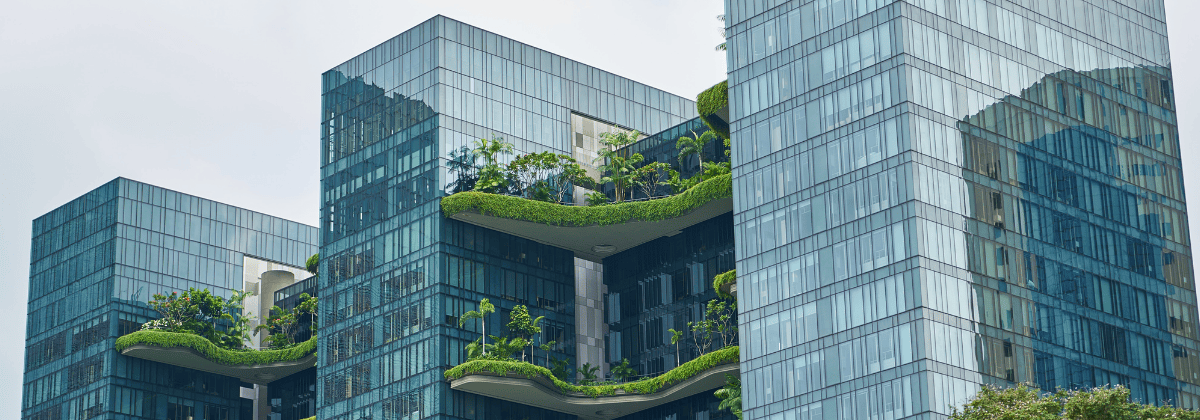
The world is at a tipping point. Climate change is no longer a distant threat—it’s an urgent crisis. Rising temperatures, extreme weather patterns, and resource depletion have made it clear that we must change the way we build and inhabit our spaces. One powerful solution? Sustainable architecture.
Sustainable architecture isn’t just about designing energy-efficient buildings; it’s about reshaping how we interact with our environment. From eco-friendly materials to passive design techniques, the right architectural choices can reduce carbon footprints, lower energy consumption, and foster a healthier planet.

Traditional construction methods have long relied on materials and practices that contribute significantly to environmental degradation. From high carbon emissions to resource depletion, conventional building techniques have a lasting impact on the planet.
Concrete, steel, and brick are some of the most commonly used materials in traditional construction. The production of cement alone accounts for nearly 8% of global CO2 emissions. The energy-intensive manufacturing and transportation of these materials significantly contribute to climate change.
The demand for timber and other natural resources leads to deforestation, which reduces carbon sequestration, disrupts ecosystems, and accelerates biodiversity loss. Clearing land for construction also destroys habitats for countless species.
Construction and demolition waste account for a large portion of landfill materials worldwide. Many traditional buildings are not designed with deconstruction or recycling in mind, leading to massive amounts of waste that take decades or even centuries to break down.
By recognizing these impacts, it becomes even clearer why sustainable architecture is not just an option but a necessity for the future of our planet.
The materials we choose for construction play a major role in determining a building’s environmental impact. Traditional construction materials like concrete and steel contribute significantly to greenhouse gas emissions. Fortunately, sustainable alternatives are making their way into modern architecture.
Bamboo is a fast-growing, renewable resource that absorbs more carbon dioxide than trees. It is lightweight, durable, and incredibly versatile. Used in flooring, walls, and structural elements, bamboo reduces reliance on energy-intensive materials.
Architects are now using recycled steel, reclaimed wood, and repurposed plastics to construct buildings with a smaller carbon footprint. By repurposing existing materials, we can minimize landfill waste and reduce the energy required for new production.
Hempcrete, made from hemp fibers, water, and lime, acts as a natural insulator and is carbon-negative, meaning it absorbs more CO2 than it emits. It’s lightweight, mold-resistant, and biodegradable, making it an excellent sustainable option.
By choosing these eco-friendly materials, architects and builders can significantly reduce the environmental impact of construction while creating aesthetically stunning structures.
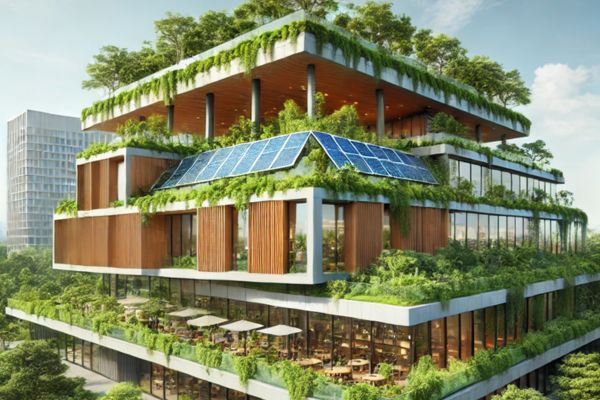
Imagine a city where rooftops aren’t just wasted spaces but thriving ecosystems. Green roofs are a game-changer in sustainable architecture, helping to combat climate change while beautifying urban landscapes.
Green roofs consist of vegetation layers planted over a waterproofing system. They provide insulation, absorb rainwater, and create natural habitats for birds and insects. More importantly, they combat the urban heat island effect—a phenomenon where cities become significantly warmer due to concrete and asphalt absorbing heat.
Leading cities worldwide are encouraging green roofs through incentives and regulations. By integrating them into sustainable architecture, we can create greener, more livable urban spaces.
One of the most effective ways to build sustainably is through passive design techniques. Instead of relying on mechanical heating and cooling systems, passive design utilizes the natural environment to regulate indoor temperatures, saving energy and reducing greenhouse gas emissions.
The way a building is positioned affects how much sunlight and wind it receives. South-facing windows in colder climates maximize solar gain, while buildings in warmer regions are designed to minimize direct sun exposure.
Materials like concrete, brick, and stone can absorb and store heat during the day and release it at night, naturally stabilizing indoor temperatures.
By designing buildings to promote cross-ventilation—allowing fresh air to flow freely—architects can significantly reduce the need for air conditioning. Courtyards, high ceilings, and strategically placed windows help achieve this.
Simple solutions like overhangs, pergolas, and tree planting can provide natural shading and reduce reliance on artificial cooling. Additionally, high-quality insulation ensures that buildings retain heat in the winter and stay cool in the summer.
Passive design techniques make buildings more energy-efficient, comfortable, and environmentally friendly—without adding extra costs or complexity.
Sustainable architecture isn’t a trend; it’s a necessity. As global temperatures continue to rise, the choices we make in construction and design will determine the health of our planet. Architects, designers, and homeowners must embrace eco-friendly building materials, green roofs, and passive design techniques to create structures that harmonize with nature rather than work against it.
At V-Trims Design, we are passionate about crafting sustainable, innovative spaces that leave a lasting positive impact. Whether you’re building a home, office, or community space, we can help you integrate green solutions into your design. Contact the best architecture firm in Lucknow today for a consultation and bring your dream space to life.