V-Trims Design

Interior Design vs Architecture | What’s the Difference?

interior design vs architecture

When envisioning a new space or reimagining an existing one, two pivotal disciplines converge: interior design and architecture. Both play integral roles in creating environments that are functional, aesthetically compelling, and tailored to specific needs. However, their contributions are distinct, with unique methodologies and objectives. A nuanced understanding of their differences—and their synergies—can significantly enhance the success of your project.
The Scope of Architecture

Interior Design vs Architecture

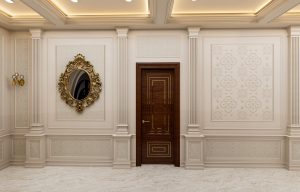
Architecture represents the synthesis of art and science in designing and constructing buildings and other physical structures. Architects assume responsibility for a building’s conceptualization, ensuring structural integrity, adherence to regulatory frameworks, and optimal functionality. Their expertise extends through all phases of construction, from initial ideation to final realization.
Core Responsibilities of Architects

  1. Structural Engineering: Architects design frameworks capable of withstanding environmental and temporal challenges, prioritizing safety and durability.
  2. Regulatory Compliance: Ensuring adherence to zoning laws, building codes, and safety standards is paramount.
  3. Spatial Optimization: Architects craft layouts that maximize efficiency, flow, and alignment with the client’s overarching objectives.
  4. Sustainability Integration: Many architects incorporate environmentally conscious practices to minimize ecological impact.

Examples of Architectural Contributions

  • Developing blueprints for urban developments or residential homes
  • Designing innovative commercial structures or cultural landmarks
  • Planning the layout of public spaces, such as parks or transportation hubs

The Domain of Interior Design

Interior Design vs Architecture

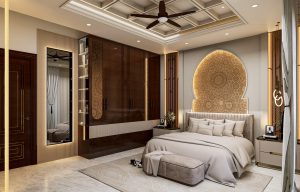
Interior design, by contrast, concentrates on the refinement and utility of internal spaces. Interior designers operate within the physical frameworks provided by architects, tailoring the interior environment to enhance its aesthetic, functional, and emotional appeal. Their work integrates elements such as furnishings, lighting, materials, and spatial arrangements to achieve harmony and comfort.

Key Responsibilities of Interior Designers

  1. Spatial Functionality: Designers optimize interiors for usability, ensuring spaces align with their intended purposes.
  2. Material and Finish Selection: They curate materials, textures, and finishes that resonate with the client’s vision while meeting practical requirements.
  3. Aesthetic Cohesion: Interior designers create a unified visual narrative through careful selection of colors, patterns, and decor.
  4. User-Centric Design: Human experience is central, with an emphasis on ergonomics, accessibility, and ambiance.

Examples of Interior Design Contributions

  • Creating layouts and furnishing plans for residential interiors
  • Designing office environments to foster productivity and collaboration
  • Enhancing retail spaces to optimize customer engagement

Collaborative Synergy: Architecture and Interior Design

Though distinct, architecture and interior design frequently intersect, fostering collaboration that results in cohesive and dynamic spaces. Their interplay is particularly evident during critical project phases:

1. Conceptual Design and Planning

  • Architects: Establish the structural framework, external form, and foundational design.
  • Interior Designers: Offer insights to ensure the layout accommodates interior functionality and aesthetic goals.

For example, during the design of a residential property, an architect might consult with an interior designer to ensure that room configurations facilitate both practical use and stylistic aspirations.

2. Functionality and Optimization

  • Architects: Address macro-level spatial relationships and flow between areas.
  • Interior Designers: Focus on the micro-level usability and specific requirements of individual spaces.

3. Unified Aesthetic Vision

  • Architects: Establish an overarching style or theme, whether modernist, classical, or industrial.
  • Interior Designers: Refine this vision, selecting furnishings, finishes, and decor that enhance the architectural concept.

4. Resolving Complex Challenges

Both professions collaborate to address unforeseen issues. For instance, resolving acoustic concerns in an open-concept design may involve joint strategies that blend structural modifications with interior elements like sound-absorbing materials.

Contrasting Characteristics: Architecture vs. Interior Design

  • Primary Focus: Architecture prioritizes structural integrity and macro-level spatial planning, while interior design emphasizes aesthetic appeal and usability of internal spaces.
  • Technical Scope: Architects handle regulatory compliance, sustainability, and building systems, whereas interior designers focus on finishes, furnishings, and interior functionality.
  • Collaboration: Architects work on large-scale elements like frameworks and layouts, complementing interior designers who refine the micro-details that shape user experiences.
  • Design Objective: Architects aim to create structurally sound and efficient buildings, while interior designers focus on creating cohesive and appealing interiors.
  • Examples: Architects might design a building’s layout, while interior designers choose furnishings and decor to enhance the space’s purpose and ambiance.

The dynamic between interior design vs architecture is best appreciated when their unique contributions are considered holistically. Together, they form a cohesive framework for creating spaces that are both practical and beautiful.

The Significance of Both Disciplines

Achieving a successful project outcome necessitates the collaboration of architects and interior designers. Architects ensure the structural feasibility and integrity of a space, while interior designers enrich its functionality and visual appeal. Neglecting either discipline risks compromising the balance between form and function.

Bridging Structure and Style

The distinction between architecture and interior design underscores their complementary nature. Architects provide the foundational structure and technical framework, while interior designers imbue spaces with character, utility, and a sense of place. Together, these professionals transform abstract visions into living environments that are as purposeful as they are inspiring.

For those embarking on a construction or renovation journey, engaging both an architect and an interior designer can ensure a harmonious fusion of structural excellence and interior elegance—resulting in spaces that resonate both practically and aesthetically.

If you’re looking for expert architects to bring your vision to life, contact Best Architecture firm in Lucknow today and let’s create something amazing together!
PREVIOUS NEXT

Leave A Comment

Related posts

Browse All

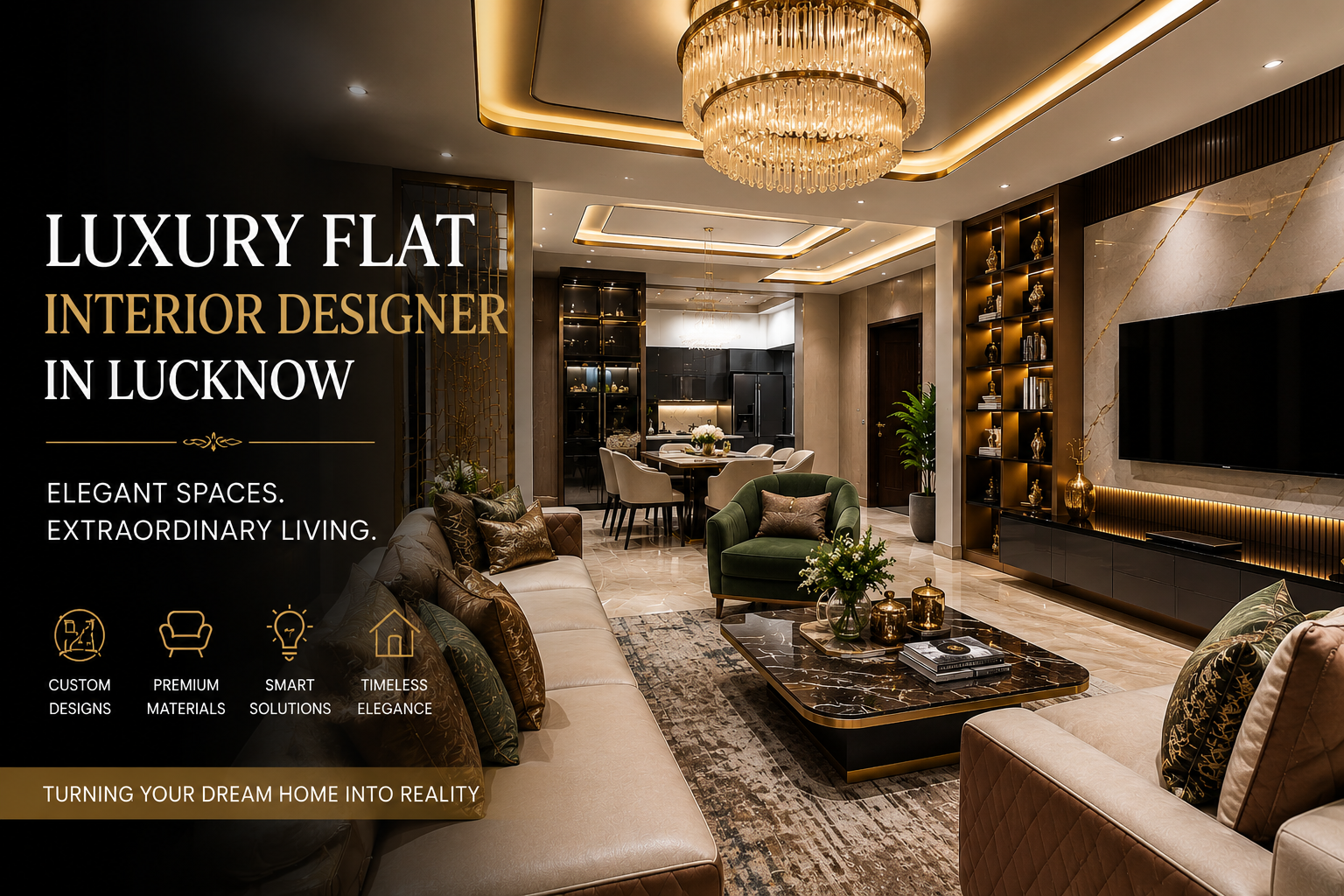
Luxury Flat Interior Design in Lucknow – A Complete Guide to Elegant Living

Luxury living is no longer limited to large villas and bungalows — today, luxury flat interior design in Lucknow is redefining how apartments are styled, experienced, and lived in. Whether you own a 2BHK, 3BHK or a luxury penthouse, intelligent interior planning can elevate your flat into a personal masterpiece…

Top 10 House Interior Decoration Ideas – In Lucknow

Discover affordable and stylish house interior decoration ideas in Lucknow. Blend modern trends with traditional charm to create your dream home. Embrace the Lucknow Heritage in Your House Interior Decoration Ideas Lucknow Lucknow’s charm lies in its Mughal-inspired architecture and Nawabi culture. To bring that grace indoors: Go Minimal with…

Top Interior Companies in Lucknow – Tips to Choose the Right One

Seeking the top interior design companies in Lucknow? Discover expert tips to choose the right interior designer quality, and budget planning. Check Their Experience & Expertise– “Top Interior Companies in Lucknow” When selecting an interior company, the first step is to understand their experience and specialization.A good design firm should have: At…

Top 10 Low Budget Interior Design Ideas for Indian Homes – Affordable & Stylish Decor Tips

At V-TRIMS Design, we understand how Indian homes beautifully balance culture, functionality, and modern style. That’s why we’ve curated some of the best low budget interior design ideas for Indian homes that are practical, affordable, and timeless. 1. Smart Space Planning – Make Every Inch Count Space planning is the…

Top Interior Design Firms in Uttar Pradesh | VTRIMS Design

In this article, we highlight the top interior design firms in Uttar Pradesh, showcasing their work, style, and specialties. If you’re planning to redesign your home, office, or commercial property, this guide will help you find the right professionals. Interior design has evolved into more than just arranging furniture or…

Bedroom Interior Design – Create the Perfect Blend of Comfort & Elegance

When it comes to designing your dream home, the bedroom is more than just a place to sleep—it’s your retreat, a sanctuary where comfort meets style. The bedroom interior design you choose defines how relaxed and refreshed you feel every day. At Vtrims Design, we believe every bedroom should reflect…
Browse All

Floret Town

Facebook

Office Location

V-Trims Design is an architectural design and construction company in Lucknow founded by young entrepreneurs with a love of design and the belief that every home should be designed to impress and that every person should have a designer lifestyle.

Contact Info
Office Address
UP