Aastik Verma
1 month ago




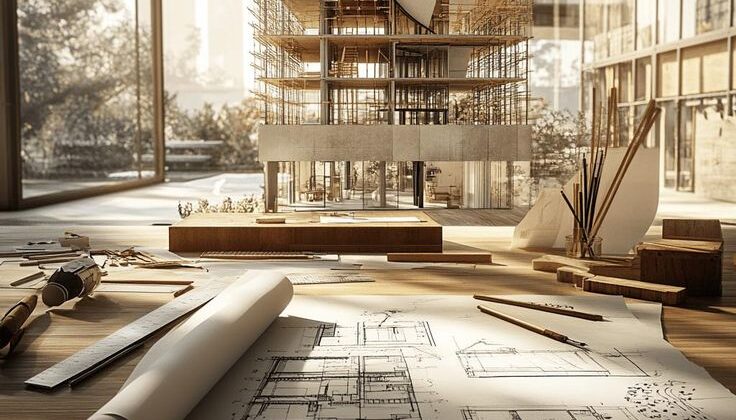
Architecture is not just about constructing buildings; it is about shaping experiences. The mind in architecture refers to the psychological and emotional connection between human beings and the spaces they live in. Every room, corridor, window, and piece of furniture influences how we think, feel, and behave.
From ancient temples to modern smart homes, architects have always considered how people interact with space. Today, this concept has evolved into a more scientific approach where architecture integrates psychology, design, and human behavior to create environments that support well-being and productivity.
For homeowners, businesses, and developers, understanding the mind in architecture helps create spaces that are not only visually appealing but also emotionally satisfying and functional.
Architecture directly impacts the human mind. The layout of a space, lighting conditions, colors, and materials can influence mood, focus, and comfort.
For example:
Architects today combine psychology with spatial design to create environments that support human well-being. This approach is especially important in residential homes, offices, hospitals, and educational spaces.
When a building is designed thoughtfully, it does more than provide shelter—it enhances the quality of life for the people using it.
Human-centered design is one of the most important principles connected to the mind in architecture. This concept focuses on designing spaces around human needs rather than purely aesthetic goals.
A well-designed home considers:
Similarly, offices designed with human-centered architecture encourage creativity and teamwork.
Architects often study how people move inside a building, how they interact with furniture, and how spaces affect their mental state. These insights help create environments that feel intuitive and comfortable.
Spaces influence our emotions more than we often realize. For instance, a room with large windows and natural sunlight tends to make people feel energetic and positive.
On the other hand, cramped or poorly lit spaces may create stress or discomfort.
Architects use several techniques to influence emotions positively:
Sunlight improves mood, energy levels, and overall mental health.
Balanced proportions make rooms feel comfortable and harmonious.
Colors play a major role in architecture:
Incorporating plants, gardens, and open terraces creates a peaceful environment.
Modern architectural projects increasingly focus on integrating nature with design to support emotional well-being.
Cognitive architecture refers to how buildings influence thinking patterns and productivity. This concept is widely used in modern workplaces and educational institutions.
For example:
Architects study behavioral patterns to design environments that support the activities happening inside them.
A well-designed workspace can significantly increase employee satisfaction and performance.
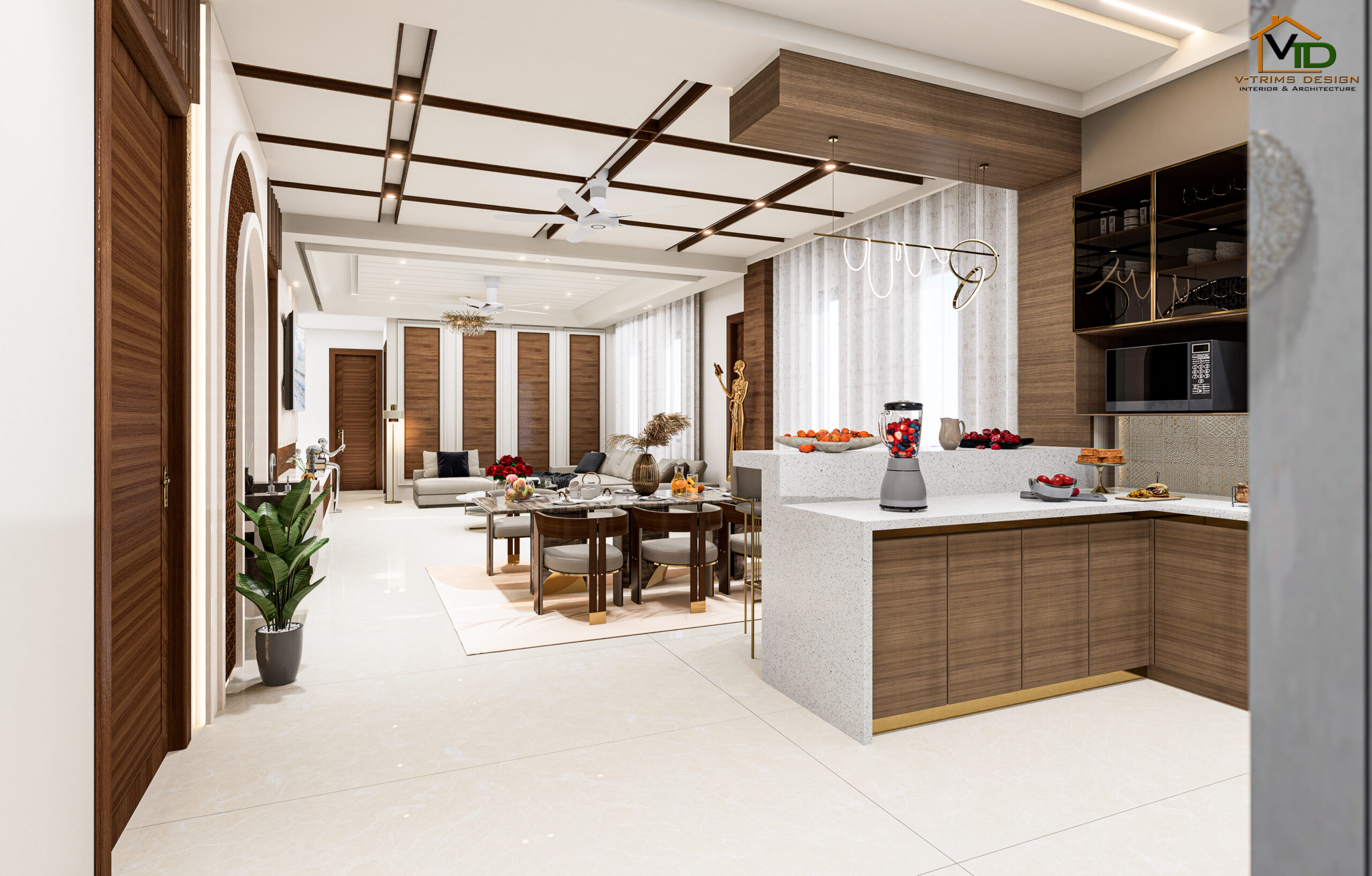
In residential architecture, the concept of mind in architecture focuses on creating spaces that feel peaceful, safe, and inspiring.
Some elements that support mindful living include:
Homes designed with these principles provide a sense of balance and relaxation, helping residents disconnect from daily stress.
Modern homes are increasingly adopting biophilic design, which connects indoor living spaces with nature.
Technology is transforming architecture in many ways. Smart homes, AI-driven design tools, and 3D visualization are helping architects create spaces that are more responsive to human needs.
For instance:
These innovations help architects design spaces that better align with human behavior and psychological comfort.
The future of architecture will increasingly focus on well-being, sustainability, and intelligent design.
In modern urban environments, people spend most of their time indoors. Because of this, architecture plays a crucial role in mental and emotional health.
Thoughtful architectural design can:
Cities around the world are now prioritizing human-focused architecture to improve the quality of life for residents.
Architects who understand the connection between space and psychology are better equipped to design buildings that truly serve the needs of people.
The mind in architecture highlights the powerful relationship between human psychology and spatial design. Buildings are not just structures; they are environments that influence how we think, feel, and live.
By integrating psychology, sustainability, and modern technology, architects can create spaces that inspire creativity, comfort, and well-being.
Whether designing homes, offices, or urban spaces, the future of architecture lies in understanding the human mind and translating those insights into meaningful design.
Professionals like V-Trims Design are embracing these principles to create architectural solutions that combine beauty, functionality, and human-centered thinking.
Mind in architecture refers to how architectural design affects human emotions, behavior, and psychological comfort.
Architecture shapes how people interact with spaces through lighting, layout, colors, and spatial design.
Natural light improves mood, enhances productivity, and creates healthier indoor environments.
Biophilic architecture integrates natural elements such as plants, sunlight, and natural materials into building design.
Human-centered design focuses on creating spaces that support human comfort, functionality, and well-being.