Aastik Verma
2 months ago





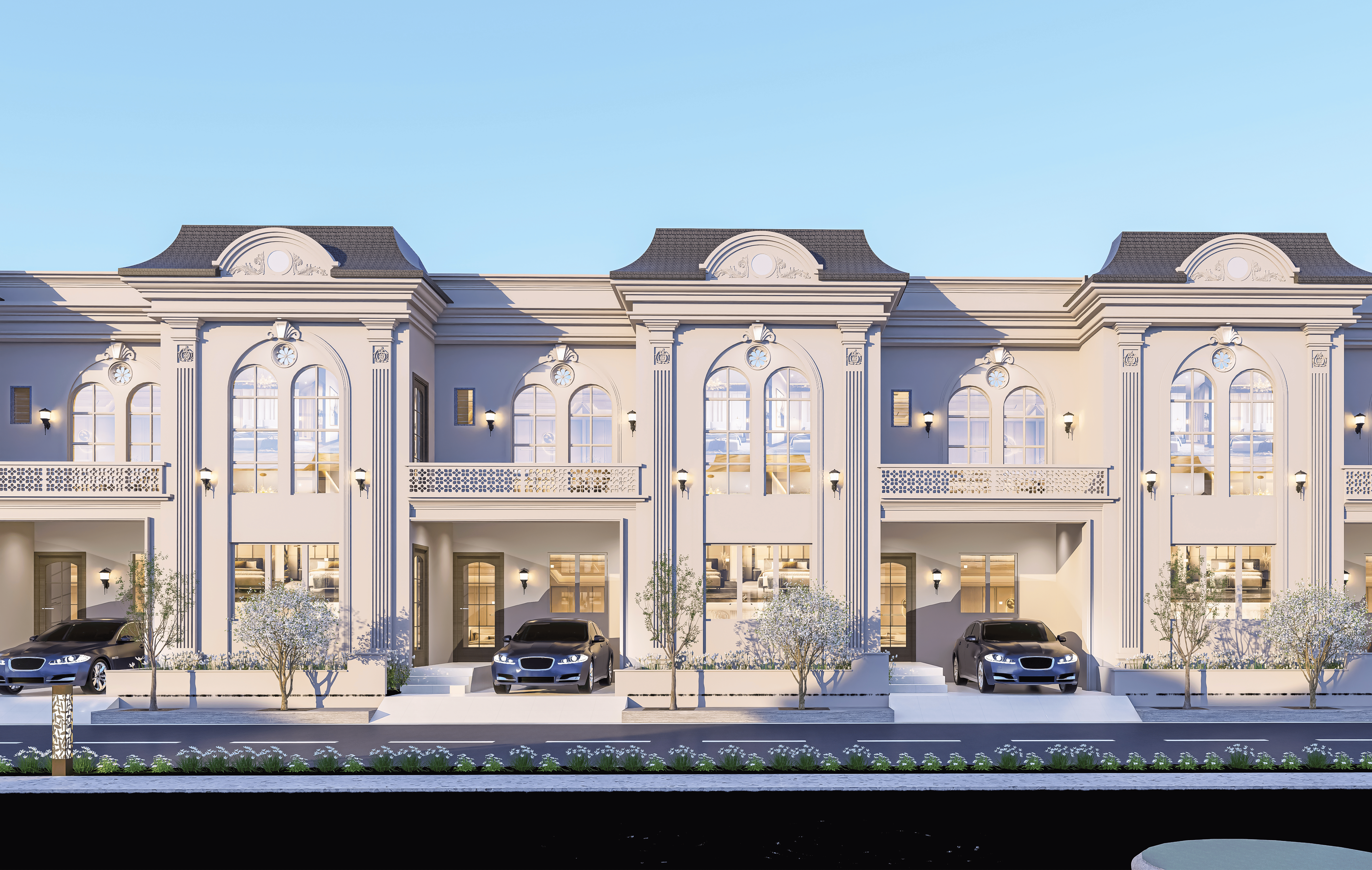
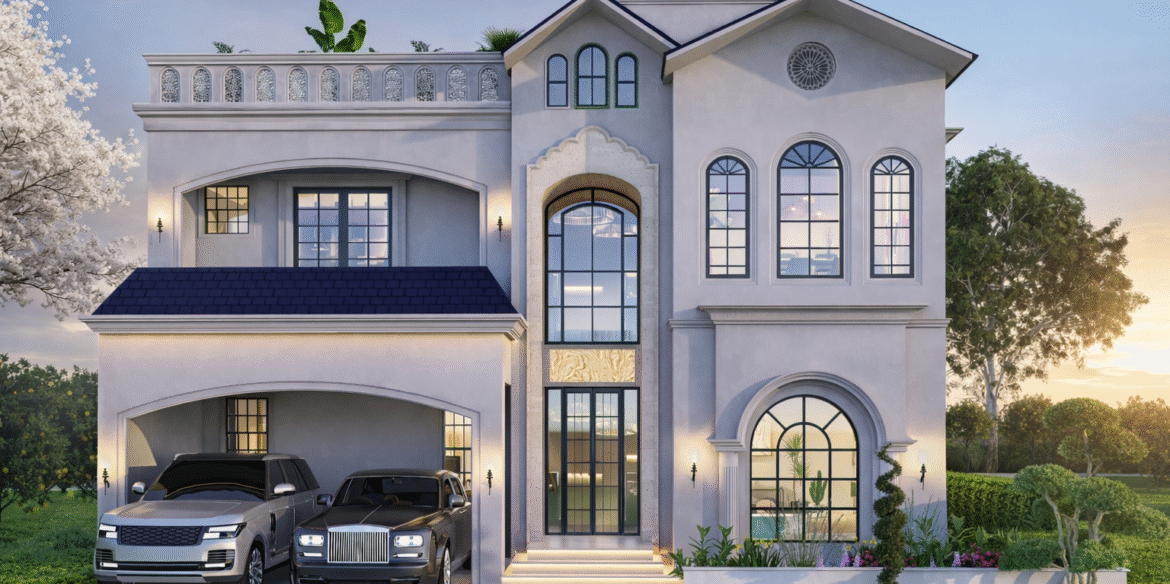
Lighting is often an unsung hero in architectural design. While people admire the structure, materials, and layout of a building, the way light interacts with these elements is what truly brings a space to life. Whether it’s a cozy café, a grand museum, or a sleek office building, lighting in architectural design plays a pivotal role in setting the mood, directing attention, and creating drama—just like stage lighting in a theater.
Architects and designers use lighting to shape experiences, much like how theater directors use it to tell a story. Imagine walking into a dimly lit restaurant where warm light pools over each table, making conversations feel intimate and personal. Now, compare that to stepping into a corporate headquarters with bright, cool-toned lighting that promotes alertness and focus. Each lighting choice is intentional and transforms how we perceive and interact with a space.
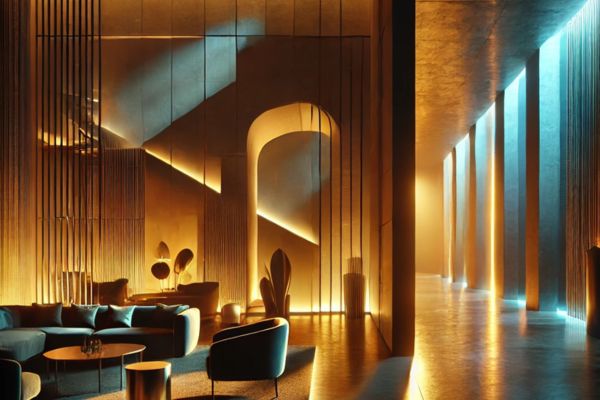
Theater productions rely on lighting to evoke emotions—soft blues and purples can create a melancholic or dreamy atmosphere, while reds and oranges bring warmth and energy. Similarly, in architectural design, lighting sets the tone for an entire environment.
Consider luxury retail stores. The lighting is often warm and focused, highlighting products while creating a premium feel. In contrast, hospitals use bright, uniform lighting to ensure functionality, hygiene, and safety. This demonstrates that lighting isn’t just about visibility—it’s about shaping how a space feels.
Architects masterfully blend natural and artificial lighting to achieve the desired ambiance. Natural light, streaming through strategically placed windows or skylights, brings warmth and vitality. In contrast, artificial lighting allows for controlled illumination, ensuring consistency and reliability.
For example, museums often use a combination of both. Natural daylight highlights textures and materials, while track lighting focuses on exhibits, ensuring artwork is both illuminated and protected from harsh light exposure. This delicate balance enhances the visitor experience, just as a theater production carefully times spotlight transitions to enhance a scene.
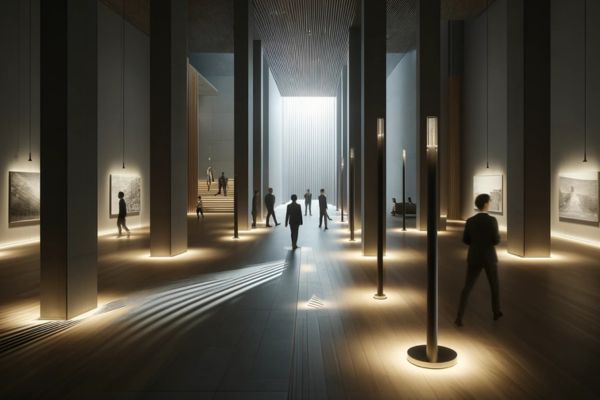
Just as stage lighting directs an audience’s focus to key moments in a performance, lighting in architectural design guides people through a space. Well-placed lighting can subtly nudge people toward entrances, highlight important architectural features, and ensure seamless navigation. Museums, for example, use focused lighting to draw attention to specific exhibits, ensuring that visitors follow a desired path of exploration.
A well-lit space often features layers of lighting that work in harmony:
Think of a grand hotel lobby with a stunning chandelier. That chandelier is not just a light source; it’s a centerpiece. Similarly, in theaters, key lighting elements ensure that the audience’s attention is exactly where the director wants it. The same principles apply in restaurants, offices, and homes—lighting directs movement and highlights what matters most. Retail environments also rely on this concept, using well-placed lighting to guide shoppers toward premium products and promotional displays.
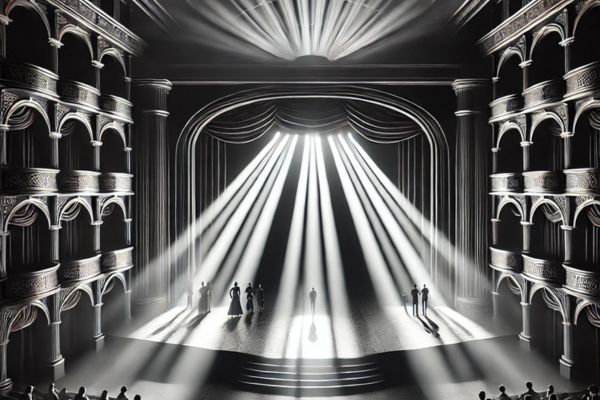
Theater lighting creates visual depth, building drama through contrast. Bright beams against dark backgrounds highlight actors and set pieces, evoking emotion and intrigue. Architectural design follows this exact philosophy. The balance between light and shadow not only defines space but also adds an element of mystery, elegance, and drama.
Light and shadow play a crucial role in adding depth and dynamism to architecture. A well-lit staircase with subtle backlighting can appear to float, while a softly lit corridor opening into a brightly illuminated atrium creates a sense of revelation and surprise.
Take Gothic cathedrals, for instance. The interplay between dim interiors and the ethereal glow of stained-glass windows creates a breathtaking, almost spiritual experience. Similarly, in modern skyscrapers, strategic lighting enhances the sleekness of glass facades, making them shimmer against the night sky. Even in residential design, dramatic lighting effects can transform a space—think of a cozy living room with layered lighting that enhances comfort while providing visual interest.
In both architecture and theater, lighting can change to reflect different moods and times of the day. Smart lighting systems now allow for adaptive illumination—think of office spaces that adjust brightness based on natural light availability, much like how stage lighting shifts as a play progresses.
Hotels, for example, use tunable LED systems that transition from bright white during business hours to warm amber tones in the evening, mimicking the natural rhythm of daylight. This not only enhances comfort but also supports circadian rhythms, improving well-being. Similarly, in restaurants, dynamic lighting systems can transform the ambiance from casual daytime dining to an intimate evening experience, ensuring versatility in the space’s function.

With advancements in technology, lighting in architectural design is more innovative than ever. LED technology, energy-efficient solutions, and smart automation are revolutionizing how spaces are illuminated. From interactive lighting displays in urban landscapes to customizable residential lighting systems, the possibilities continue to expand.
Sustainability is a growing focus in architectural design. Designers are integrating solar-powered lighting, motion sensors, and energy-efficient LEDs to reduce environmental impact while maintaining aesthetics. Imagine a theater that adjusts lighting based on audience presence—now apply that to smart homes and offices, where lighting adapts to occupancy and daylight levels.
Lighting is also evolving to be more human-centric, prioritizing well-being. Studies show that exposure to the right lighting at the right times improves mood, productivity, and even health. Offices, for instance, are now incorporating circadian lighting that mimics natural daylight patterns, much like how a stage production uses lighting cues to align with the emotions of a scene.
Whether on stage or in architecture, lighting is a powerful tool that transforms spaces and experiences. It sets the mood, directs attention, and creates drama—bringing designs to life.
At V-Trims Design, we understand the intricate balance between functionality and artistry in lighting. Our team specializes in crafting lighting solutions that enhance architecture, ensuring every space tells its own unique story. Let’s illuminate your vision together—contact us today to explore how we can bring your architectural projects to life with exceptional lighting design.